What is LearnGPT?
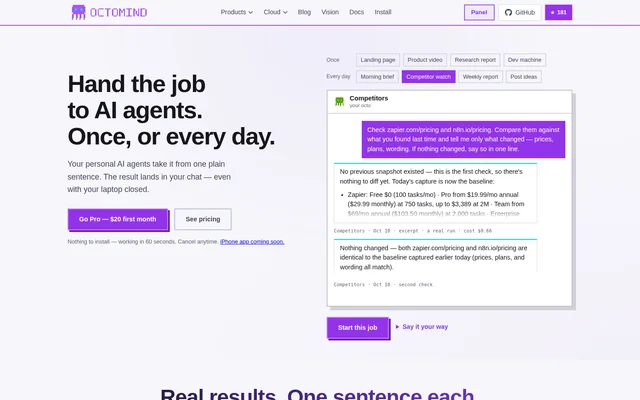
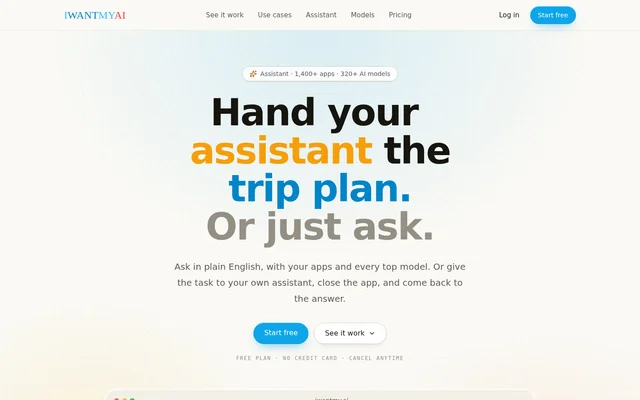
LearnGPT is an AI chat and task assistant for people who want to research questions, work with documents, and use connected apps through plain-English requests. The supplied page describes both interactive conversations and tasks handed to an assistant that continues working after the user closes the app. Examples cover personal planning, inbox management, team work, and learning.
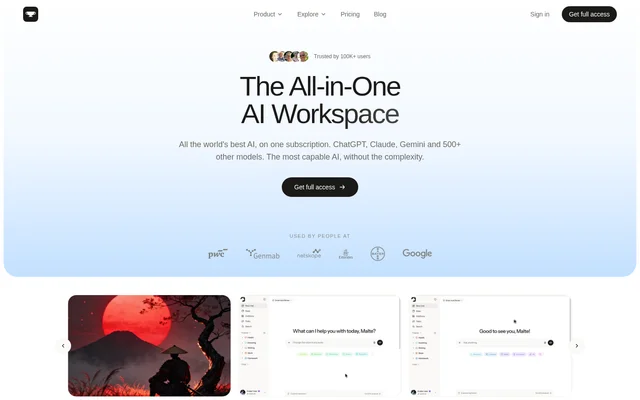
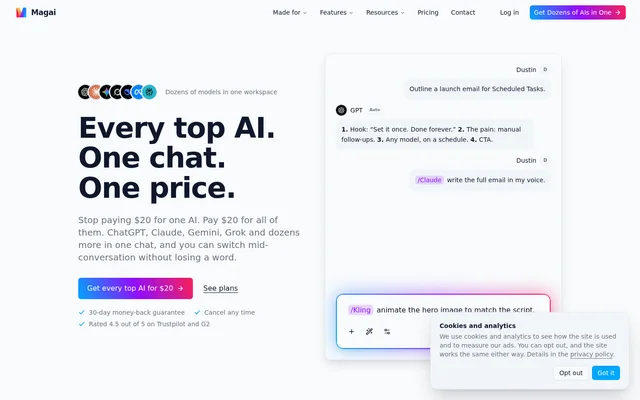
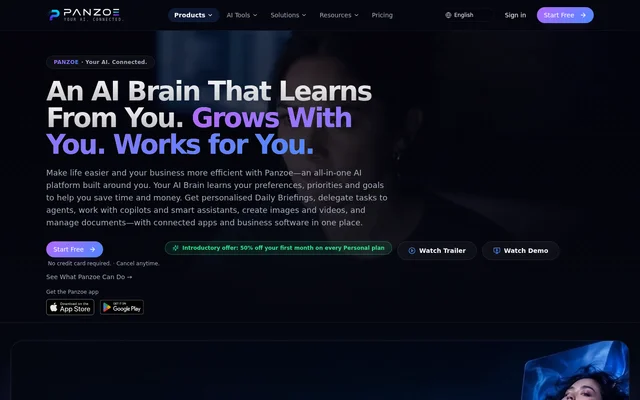
LearnGPT brings models from OpenAI, Anthropic, Google, DeepSeek, xAI, and other providers into a shared chat experience. Users can switch models during a conversation and save favorites for later access. Most models support web search and apps, while reasoning can be enabled for mathematics, code, and difficult questions.
What LearnGPT can do
LearnGPT combines question answering with research, connected-app actions, and file production. The page describes current web answers with source links, questions about uploaded documents, and custom instructions that can apply by default or to a particular chat. Background tasks extend these capabilities to work that can finish while the user is away.
- LearnGPT searches the web and links to sources.
- LearnGPT accepts PDFs, images, and text files for questions.
- LearnGPT creates Word, Excel, PowerPoint, and PDF files.
- LearnGPT connects with Gmail, Google Calendar, Google Drive, Slack, Notion, and GitHub.
- LearnGPT repeats assistant tasks on a schedule.
- LearnGPT remembers information learned across assistant tasks.
How LearnGPT works
LearnGPT starts with an app connection through the app provider's own login screen, without requiring personal API keys or plugins. Users select which apps a conversation can use, then ask a question or hand over a task. App reads and writes appear in the conversation, and connections can be removed at any time.
LearnGPT gives the background assistant a computer in the cloud to complete tasks. A travel-planning example shows web research, a downloadable Word document, and an email summary. The task displays its steps and final answer. Changes in connected apps require approval, and emails to other people also require the user's permission.
Who LearnGPT is for
LearnGPT addresses individuals and teams with work spanning inboxes, calendars, research, files, and learning. The page's examples range from finding remote jobs to explaining a research paper or preparing a plan to learn SQL. These examples position the tool as a general assistant rather than a service limited to a single professional role.
- LearnGPT helps travelers assemble researched itineraries with links.
- LearnGPT helps users summarize unread mail and draft replies.
- LearnGPT helps teams compare tools and locate plans in Drive.
- LearnGPT helps learners explore topics and practice Spanish tenses.
LearnGPT pricing and plans
LearnGPT offers Free, Basic, and Pro plans, with no credit card required to start free. Free includes 100 monthly messages on standard models. Basic includes 1,000 standard-model messages and 100 additional high-end-model messages. Pro includes 3,000 standard-model messages, 500 additional high-end-model messages, and 500 additional ultra-model messages. The page does not publish subscription prices.
LearnGPT includes the background assistant with Basic and Pro, with about 1,000 tasks a month. Message character limits vary by plan, and usage allowances reset on the first of each month. The page says subscriptions can be changed or canceled at any time and that a subscription covers models, web search, and apps.
LearnGPT strengths and limitations
LearnGPT combines multiple model providers, source-linked research, document creation, and connected-app work without requiring users to supply API keys. The page emphasizes visibility into assistant steps and control over app access. These controls include selecting apps per chat, showing reads and writes, requiring approval for changes, and reporting when the assistant cannot complete a step.
- LearnGPT reserves background assistant access for Basic and Pro.
- LearnGPT applies monthly message allowances and message-length limits.
- LearnGPT never buys or pays for anything.
- LearnGPT never enters payment or login details.
LearnGPT FAQ
What is LearnGPT?
LearnGPT is an AI chat and background task assistant with access to multiple model providers, web search, connected apps, and file creation. LearnGPT supports interactive questions as well as tasks that continue running while the user is away.
Is LearnGPT free?
LearnGPT offers a Free plan with 100 messages a month on standard models, web search, reasoning, and file uploads. LearnGPT also offers Basic and Pro plans that include a background assistant; subscription prices are not stated on the supplied page.
Which apps can LearnGPT connect to?
LearnGPT lists connections to 1,400+ apps, including Gmail, Google Calendar, Google Drive, Slack, Notion, and GitHub. LearnGPT lets users choose apps per chat, sign in through each app's login screen, and disconnect apps at any time.
Does LearnGPT require API keys?
LearnGPT does not require users to provide their own API keys, install plugins, or configure model access. LearnGPT states that a subscription covers models, web search, and apps, with app connections authorized through each app's own login.
Can LearnGPT complete tasks in the background?
LearnGPT includes a background assistant with Basic and Pro, with about 1,000 tasks a month. LearnGPT can research requests, create downloadable files, email summaries, and repeat tasks on a schedule while displaying task steps and results.
Can LearnGPT make purchases or change connected apps?
LearnGPT never makes purchases, pays, or enters payment or login details. LearnGPT requires approval before changing connected apps or emailing other people, and the assistant reports when a requested step cannot be completed.
From the community
No reviews yet
Be the first to review this tool. What you write helps the next person choose.